

Clinical Indications, Biomechanical Effects, and Application Protocols Wrist splints are orthopedic orthoses intended to reduce pain and inflammation by limiting uncontrolled movement of the hand-wrist complex in cases of carpal tunnel syndrome (CTS), tendinopathies (e.g., De Quervain's), sprain/strain injuries, and postoperative periods. Appropriate indication, appropriate stiffness level, and appropriate duration of use are crucial for symptom control and functional recovery. Anatomical and Biomechanical […]
Author Archives: admin
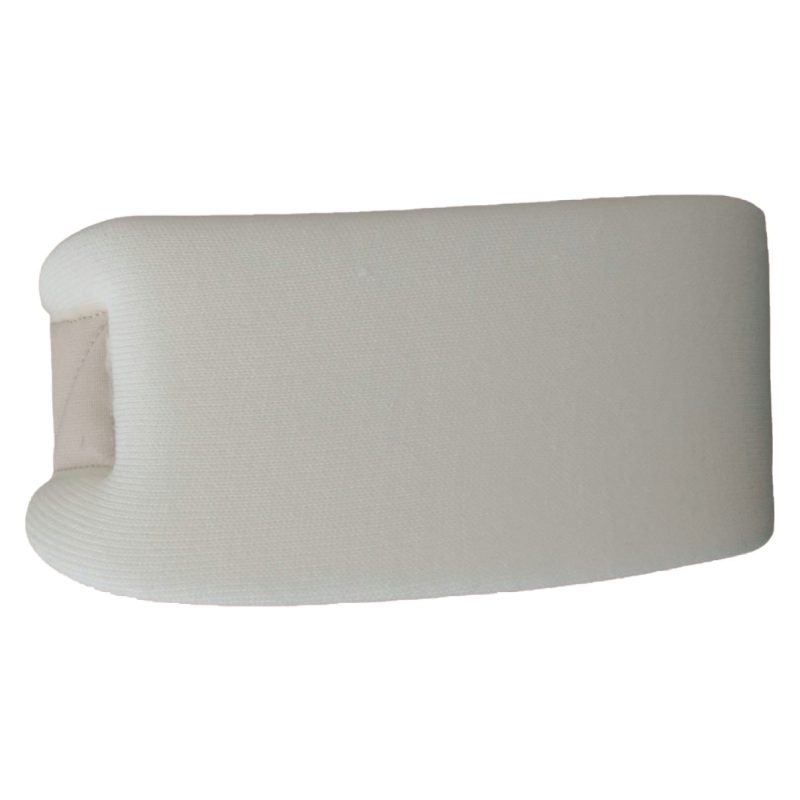
Clinical Areas of Use – Support after cervical region injuries – Immobilization in neck muscle spasms and strains – Auxiliary use in the treatment of mild trauma, injury and cervical disc herniation – Support during the post-operative recovery process Technical Specifications – Comfortable use thanks to its soft sponge structure – Designed to fit the anatomical neck structure – Adjustable closure with velcro – Different sizes […]
Medical immobilizers are used primarily to immobilize joints and bones and limit movement during the healing process (e.g., knee immobilizers, neck braces, hand-wrist immobilizers). Medical Immobilizer Manufacturing Process: Design and R&D. Measurements are made to the patient's anatomy (knee, neck, arm, etc.). Pattern and cutting design are performed using CAD/CAM software. A balance between comfort and immobilization is carefully considered. Material Selection: Main body materials: neoprene, […]
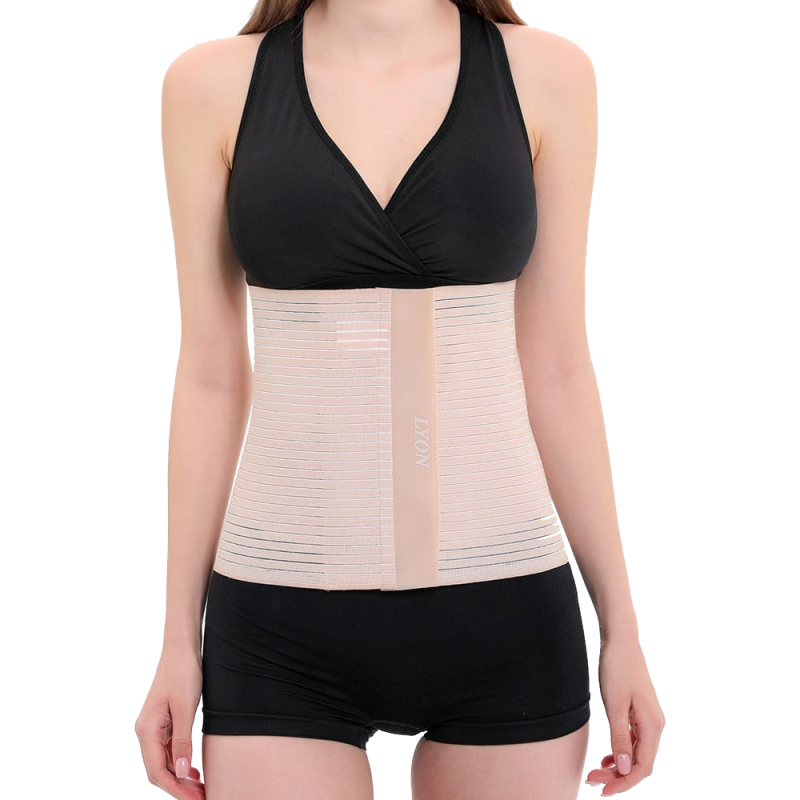
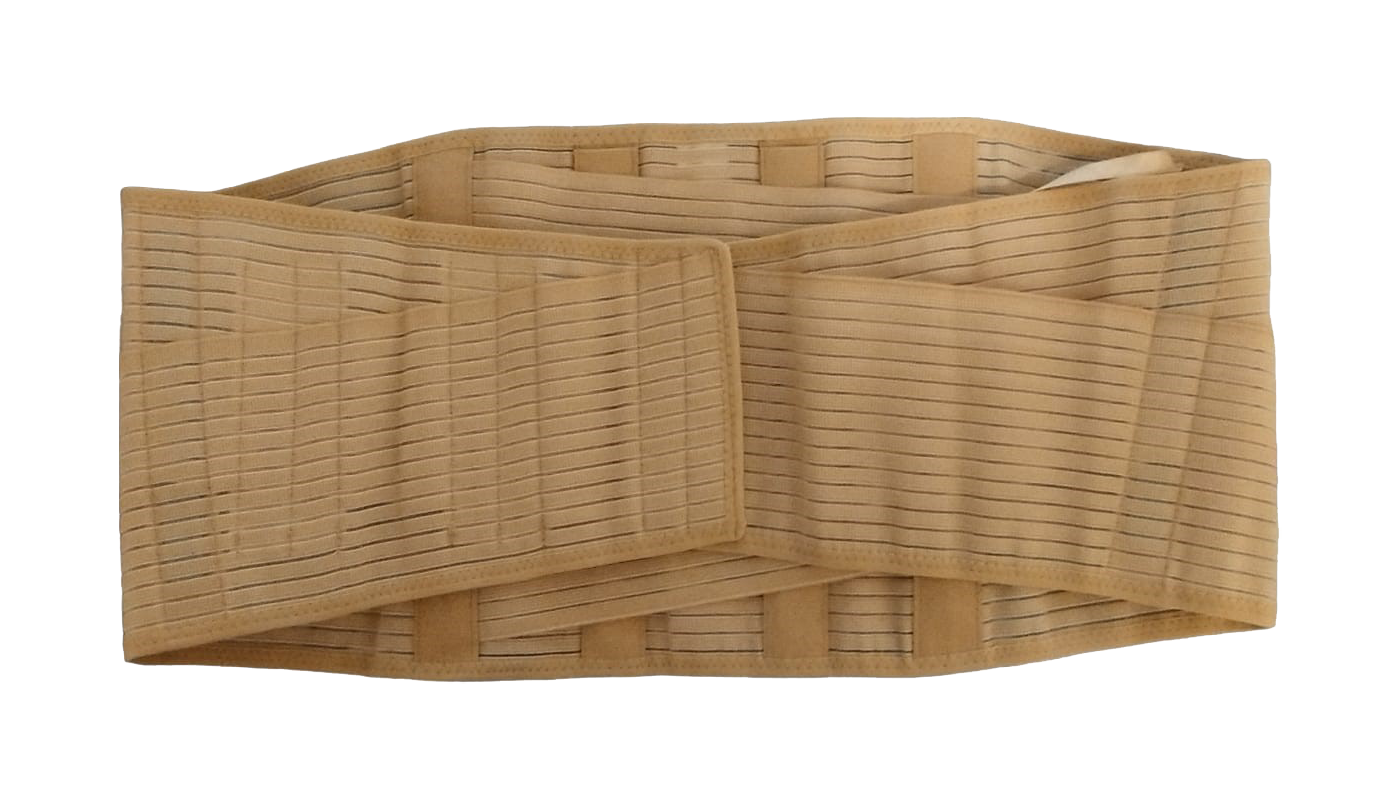
The Lumbostat brace is a medical orthosis that stabilizes the lumbar spine and provides movement restriction, particularly for herniated discs, degenerative back conditions, trauma, and post-operative conditions. The manufacturing process adheres to medical device manufacturing standards. Let me briefly explain the Lumbostat brace manufacturing stages: Lumbostat Brace Manufacturing Process Design and Sizing Measurements are taken according to the patient's anatomy (waist […]
Frog splints are a specialized type of splint used in orthopedic and traumatology, particularly for finger fractures, dislocations, and tendon injuries. The "frog splint" derives its name from its design, which immobilizes the fingers in a frog-like manner. The manufacturing process must comply with medical device standards and be made from biocompatible, hypoallergenic materials. Frog Splint Manufacturing Process Design and Sizing Suitable for different finger sizes […]